
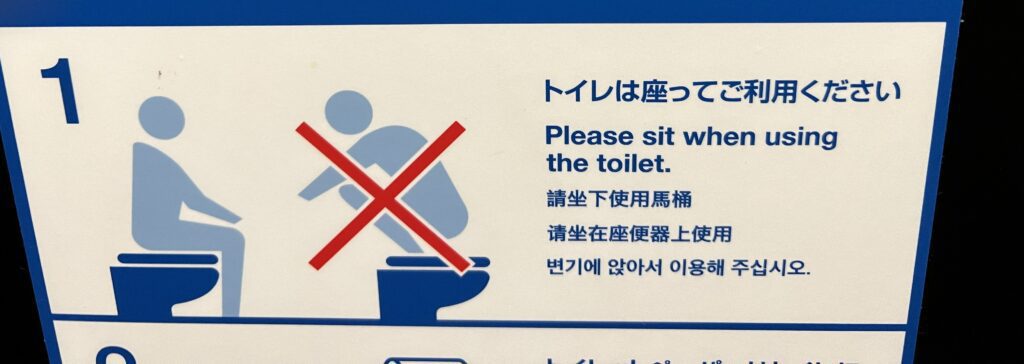
Japanese etiquette can seem daunting at first.
There are so many rules, right? Eating. Rubbish/Trash. Chopstick use…
What’s more, social media is literally full of posts about tourists getting things wrong. Viral videos of people doing things while the locals look on with disdain. Some influencers have even called out ‘bad tourists’ for literally ruining Japan. They highlight the country’s dissatisfaction with foreigners and the politics behind it, and try to suggest that if you accidentally forget to say arigatou gozaimasu after being handed your change at a konbini you have no right to be in the country.
Don’t let that faze you.
Now, in truth, Japan is grappling with an increase in problems as a result of its tourism drive. (They have a goal of 60 million visitors by 2030.)
Visitor numbers are at record highs and several cities are struggling with the disruption these can cause in the resident’s day-to-day lives. In addition, there have been real incidents of tourists behaving badly. These are all genuine, valid concerns. What isn’t valid is the way social media perceives these concerns and twists them into ‘Japanese people hate tourists.’
That’s just sensationalist clickbait designed to drive traffic. And it’s b*llsh*t.
Stop listening to social media, and do some research. Although, if you’re reading this, then that suggests you already are. Good job!
Japanese people by nature are friendly, attentive and understanding people. They are not going to demand you commit seppuku if you forget to change out of your toilet slippers when leaving the bathroom.
You might get a few frowns, or at the most a roll of the eyes. Usually you’ll get a laugh and a polite correction.
We’ve all been there. Including myself. Many times.
Yes there are rules and expectations, but generally, Japanese people understand that as a tourist, you may not know the correct way to pray at a shrine, how it differs from praying at a temple, or the way you purify yourself before doing so.
Does that mean you should just ignore their customs?
No.
Does it mean you should learn every Japanese custom before you travel?
Also no. Unless you really want to.
In this Japan Etiquette guide, I’m going to break down what I consider to be the most important points. I’ll cover what actually matters, why it matters, and a quick honest take on what’s overhyped. It’s written from my experiences of eight visits over ten years. Now I don’t claim to be an expert on Japanese culture. (That would take a lifetime.) What it does mean is that I’ve seen, and made, many of the following things done both right and wrong.
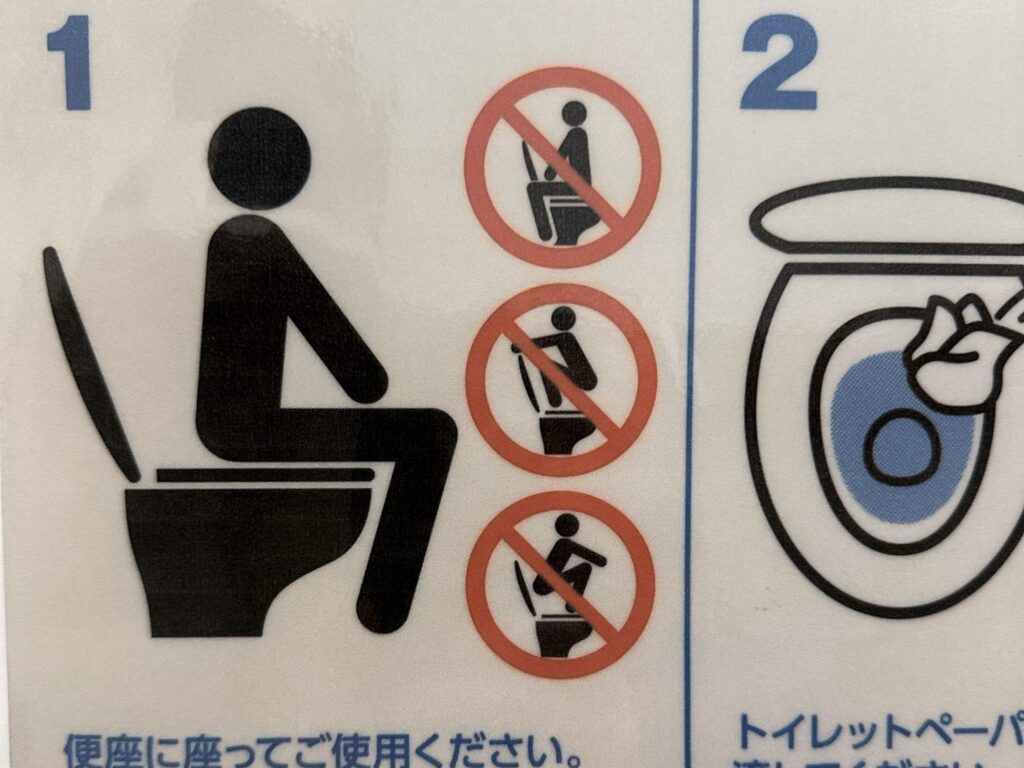
The one rule to rule them all
A colleague of mine has a very simple philosophy for getting by in life.
Don’t be a d*ck.
And he’s right. You shouldn’t. Life would be so much easier if everyone followed the same idea. People would get on more, productivity would go up, global warming would fall….
OK, maybe that’s a stretch, but the fundamental point remains.
This same point can be used when talking about visiting Japan. However, let’s refine the sentence a little more: don’t make your existence a problem for other people.
That’s it. Follow this simple rule, and everything else will be a lot smoother. The shoes, the trains, the chopsticks, the volume. It all comes back to that one principle. Japan is a densely populated country with a long cultural history of prioritising the collective over the individual. Behaviour that inconveniences others is noticed, even if nobody says anything.
Once you understand that, the rules stop feeling like arbitrary hoops to jump through and start making intuitive sense. Loud on the train? You’re making your noise someone else’s problem. Blocking the pavement to take a photo? Same thing. Standing on the wrong side of the escalator? Same thing again.
You’ll get this right 90% of the time just by being considerate. The rest is detail.
Shoes off: the rule you genuinely need to get right
This is probably the most important one to get right, but in all honesty the least likely to come up. It’s most likely to come up if you’re visiting a private residence, a ryokan, or a high-end kaiseki restaurant. However the implications of getting it wrong go beyond seeming impolite. The practice is fundamentally designed to keep the inside clean, as well as symbolising the separation of the dirty, stressful outside world from the calm, peaceful interior.
Where shoes come off: Private homes, traditional restaurants, ryokan, some temples, changing rooms, and anywhere with tatami mats on the floor.
How to spot it: There’s almost always a step up from the entrance area (the genkan) to the main floor. Shoes stay on the lower side. You step up in socks or provided slippers. You’ll also see a rack of shoes by the door, or a line of other people’s shoes arranged neatly. That’s usually the giveaway.
Slippers: More often than not, they will be provided. Wear them. Don’t refuse out of politeness or because you think your feet are clean. I have large feet, and most Japanese slippers are too small for me. I still need to wear them.
Toilet slippers: There’s often a separate pair of plastic slippers inside bathrooms in traditional places. Swap into them when you go in, swap back when you come out. You might forget to do so. The world doesn’t end, but you’ll feel daft.
Tatami rule: Never wear any footwear on tatami mats, including slippers. Socks are the only acceptable choice. If you’re in ryokan accommodation or a traditional room, this is absolute.
FYI: If you know you’re going to be visiting a place that will need you to take your shoes off, I suggest packing a clean pair of socks. White socks are the best choice, as it’s easier to see that they are clean.
Train and public transport etiquette
Japanese trains are famously quiet, and they’re quiet because everyone maintains it. Noise and queuing are the two points I see regularly not followed. Usually it’s a large group who are oblivious to where they are standing or how loudly they’re talking. Rarely is it done with sheer disregard. (Rarely. Not never.) However, it’s pretty damn simple.
Phone calls don’t happen on trains. Not a whispered ‘I’ll call you back.’ Nothing. If your phone rings, silence it, let it go to voicemail, or if it’s urgent, get off at the next station. Texting is fine. Social media is fine. Music in headphones at a volume nobody else can hear is fine. Talking on the phone is not. There seems to be some debate about this on social media, but many trains have announcements that request you refrain from taking voice calls. On long distance trains and shinkansen, there is a designated area between carriages where you can take calls.
Speak quietly if you’re with someone. Us westerners tend to talk louder than our Japanese counterparts. Read the room. If the train is quiet, then a whisper is all you need. Think library voice.
Don’t eat on commuter trains or subways. The shinkansen is different. Eating a bento is part of the experience there. Otherwise, just don’t.
Keep your bag off the seat next to you. Rucksacks go on your lap or between your feet in busy trains. Putting them on the seat when others are standing is one of the most visible tourist tells, and is just inconsiderate, no matter where you are. It’s also good manners to wear it in front of you when the trains and the stations are busy, to avoid hitting people as you navigate. Stations and trains can get more crowded than you’re likely used to.
Priority seats are priority seats. In the corners, near the doors. They are usually marked in a different colour with signage above them. If someone gets on who clearly needs it (elderly, pregnant, disabled, someone with a small child) you give it up. This isn’t just etiquette, it’s courtesy. Don’t be a d*ck.
Queueing. I’m British, and if there is one thing we know how to do, it’s to queue.
Honestly, that’s a load of rubbish. The Japanese, however, really do. Painted lines on platforms show exactly where to stand. Two orderly lines form at each door, people wait for passengers to disembark before boarding. Do not cut in. Do not stand in the middle of the platform and try to get on as people flood off in front of you. This is the one etiquette rule you will notice if you break it, because Japanese people (and I) get visibly annoyed about queue-cutting in a way they don’t about much else.
Escalators. Stand on the left, walk on the right. Except in Osaka, Kyoto and most of Kansai, where it’s the other way round. (Don’t ask me why.) Honestly, it’s not hard, and pretty bloody obvious. Just watch what everyone else is doing and copy. Don’t stand two abreast blocking the passing side, and if you have a suitcase, have it on the step in front or behind you.
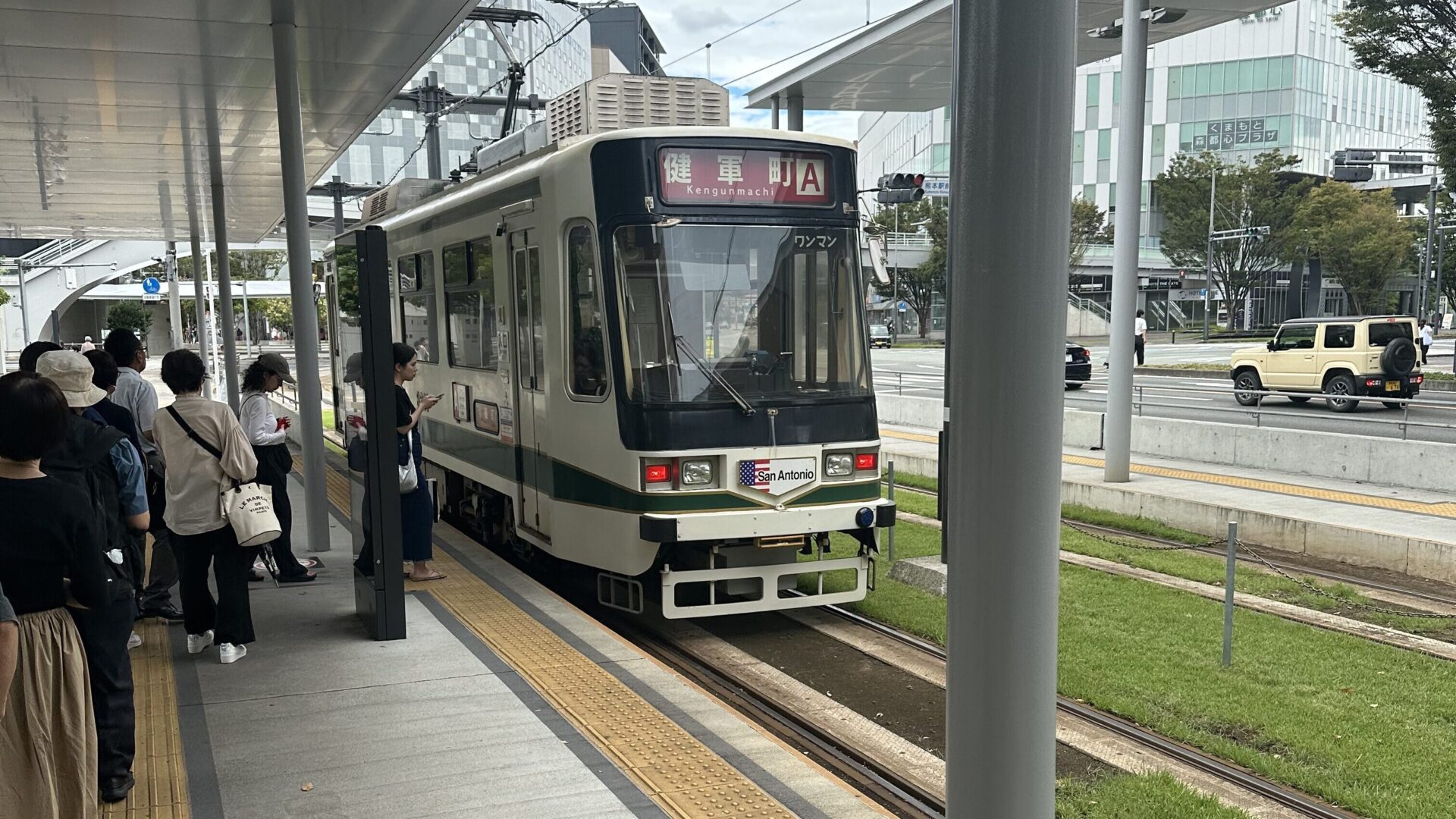
Temples and shrines: the actual rules
Japan has thousands of shrines and temples. You’re going to visit one. Or more. Be mindful of your surroundings. Most are working religious sites first, tourist attraction second.
Temples are Buddhist and for worshipping Buddha statues, while Shrines are Shinto, and are for worshipping kami. (Spirits.) All shrines have a torii gate outside, the famous (often red) arch structure that represents the boundary between holy ground and the rest of the world. Temples have sanmon gates, tiled-roofed structures that separate the sacred space of the temple from the everyday world. It’s worth noting that it is not uncommon to have a Shinto shrine within a temple complex, so you may find both a sanmon and a torii gate in the same grounds.
At the torii gate (shrine entrance): Traditionally, a single, small bow is given before walking through. When you do, try not to walk directly down the middle, as this is reserved for the kami. You’ll often see many people ignoring this practice so don’t worry if you forget, although you may get an appreciative look if you do.
At the purification basin (the temizuya or chozuya): There is a specific ritual, which is the same at both shrines and temples if present. Pick up the ladle with your right hand, pour water over your left hand. Switch, pour water over your right hand. Switch back, pour water into your left cupped hand, rinse your mouth (don’t touch the ladle with your lips), spit the water on the ground beside the basin, not back into it. Finally, tip the ladle vertically to let the remaining water clean the handle. Note this practice was paused during Covid (they took the ladles away) and shortly after, but has since returned.
At the main hall: If there is a bell or a gong, ring it first. Then, throw a coin into the offering box. 5-yen (go-en) coins are traditionally considered lucky as the word sounds identical to a word meaning honourable connection or fate. Bow twice, clap twice, make your wish or prayer silently, bow once more. At temples it’s simpler. Offer your coin, bow once, hands together silently, bow out. Don’t clap at temples. People will get it wrong. Don’t fret. The fact you tried means more than getting it right.
Photography: Generally fine in outdoor areas, often forbidden inside main halls. Just because others are doing it, doesn’t mean it’s ok. Look for signs. If you can’t see any, err on the side of caution. I have never taken a photo of the inside of a temple or shrine. It helps make the place feel special when I return.
Dress: Nothing formal required, but avoid overly short shorts, crop tops, or tank tops as a mark of respect.
Volume: Quiet. These are working religious spaces. Even at Fushimi Inari with 10,000 tourists, the tone is hushed.
Dining etiquette
There are a whole host of online ‘guides’ telling you what you should and shouldn’t do in a Japanese restaurant. Most Japanese people won’t follow all of them. However there are a couple of things worth knowing.
Say itadakimasu before eating. It’s an acknowledgement of the food and the people who made it. More prominent when out with a group, however many people will say it quietly, or even just think it when eating solo.
Say gochisosama deshita when you finish, roughly ‘thank you for the feast’. Either to the staff on the way out or to whoever cooked for you. Again, not enforced, but you’ll always get a smile.
Chopsticks. The two rules that genuinely matter:
- Never stick chopsticks upright in a bowl of rice. This mimics incense sticks at a funeral. Genuinely taboo. Rest them across the top of the bowl or on the rest provided.
- Never pass food from chopsticks to chopsticks. This mimics how cremated bone fragments are passed at Japanese funerals. Also genuinely taboo. If you want to share food, transfer it to a plate.
That’s it. Everything else (such as pointing with chopsticks, resting them sideways, crossing them) is fine. Japanese people do them constantly. Don’t overthink it.
Slurp your noodles. It’s almost impossible to not slurp your noodles. Try it, let me know how you get on. The soup is piping hot, and the slurp helps cool it down. It’s also considered a compliment to the chef. If you’re feeling self-conscious, just have a quick listen to everyone else. Then join in.
Don’t pour your own drink when you’re eating with others. Pour for them, they’ll pour for you. Hold your glass with both hands when someone’s pouring for you if they’re older or senior. Say kanpai (cheers) before the first drink. Don’t start drinking before everyone has a drink and someone’s called kanpai.
Don’t blow your nose at the table. Go to the bathroom for that. Sniffing is fine, oddly. It’s far more socially acceptable than a honking tissue blow.
Hanging around after the meal. Many restaurants are small, with high turnover of customers. You don’t go to a restaurant to socialise. That’s what the izakaya (bar) is for. If your food is finished, pay the bill, then move on.
Finish your food. Leaving a lot behind is considered wasteful. If the portion is too big, that’s a reason to order less next time, not a reason to leave half.
Don’t tip. Ever. Tipping in Japan is confusing, slightly insulting, and often results in the waiter running after you to return the ‘forgotten’ change. The service is included in the price and the quality is astonishing. Just say thank you.
Pay at the till, not the table. Some places will place the bill in a small receptacle on the table, others you may need to ask. O-aiso onegaishimasu or o-kaikei onegaishimasu will both get the bill brought to you. Take the bill to the counter at the front. Cash goes in the tray. (See below.)
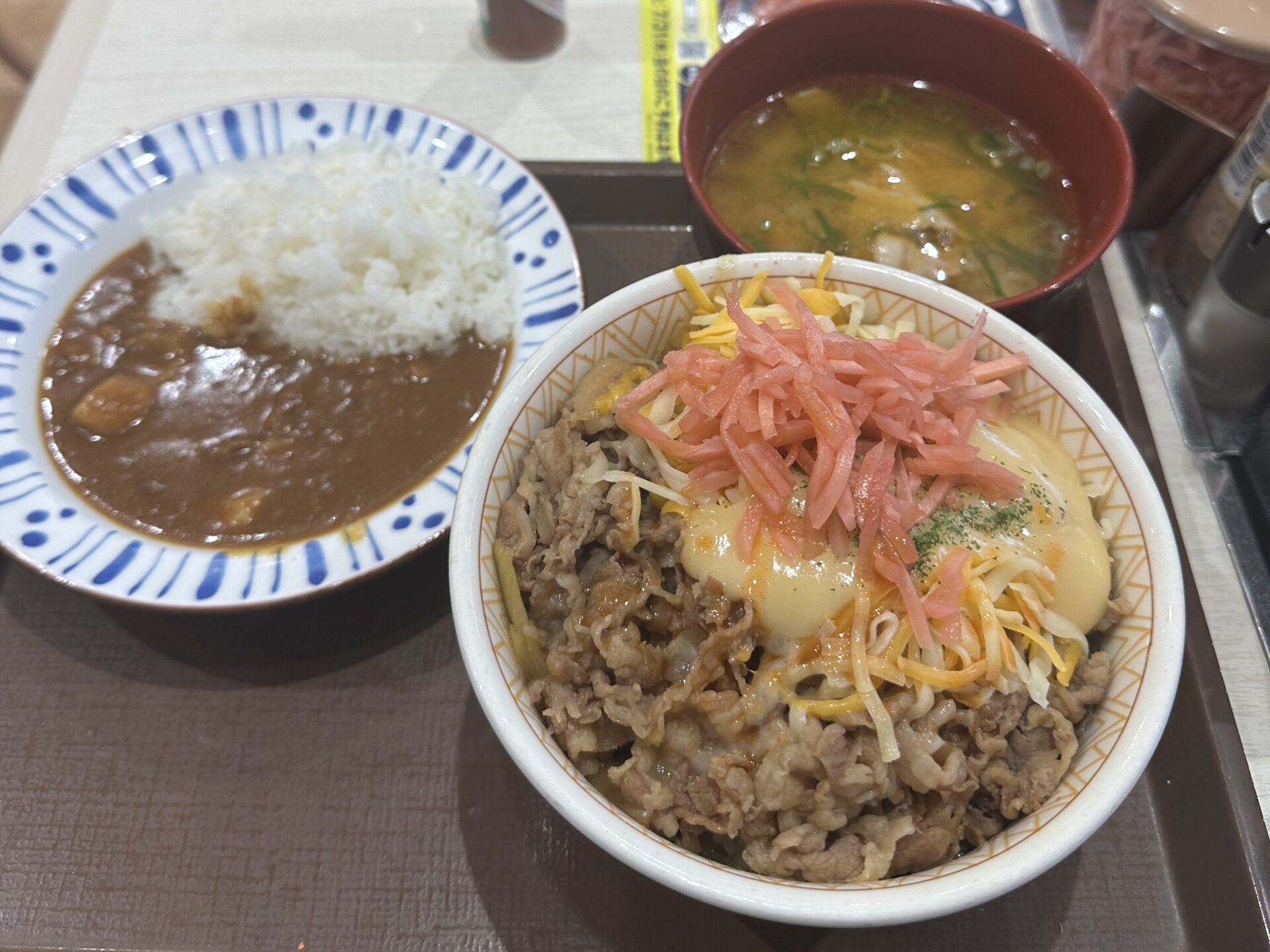
Money handling: the small tray thing
This caught me out at first. When you pay for most things, either at a shop, a restaurant, or a ticket counter, there’s often a small tray next to the till. You put your money in the tray. The cashier takes the money and normally puts your change in the tray. However in my experience, at many konbinis the cashier will hand you the change themselves. In fact many now have machines that you put your cash into anyway.
Photography: when it’s fine and when it isn’t
Fine: Landscapes, food, architecture, street scenes without clearly identifiable individuals in the foreground.
Not fine without permission: Anyone who hasn’t given you permission, frankly. Geisha and maiko in Kyoto have particularly suffered because some people think it’s ok to stick a camera in someone’s face without permission, or get angry when they ask not to be photographed. (Streets in Gion are now officially closed to photography because of tourist harassment.)
Avoid entirely: Inside the main halls of temples and shrines unless photography is explicitly allowed, inside shops where signs say no.
I want to touch on the Kyoto geisha situation again. It’s genuinely appalling to see the behaviour of some individuals. Yes I understand that the videos that are posted online are the extreme cases. But that shouldn’t matter. It means that people who may have agreed to stop to have a photo taken are now more likely to say no. And who can blame them? Seriously. Don’t be a d*ck. I mean it!
Public behaviour: the small stuff
Grouping these because none of them are dealbreakers, but together they add up to being a considerate visitor.
Don’t eat while walking. In most places, anyway. Food stalls and festivals are exceptions. But walking down Shibuya with a sandwich you bought at a convenience store is a tourist tell. Japanese people step to one side, eat, and move on. You’re also more likely to find a bin near to where you purchased your food.
Don’t hug, kiss, or high-five people you don’t know well. Bowing or a small nod covers every greeting situation. Even handshakes are less common than you’d think. Physical contact isn’t as common as in other cultures, particularly the west. Even an impromptu hug with friends after a night out can feel awkward.
Don’t point with your finger. Gesture with an open hand instead. This is a small thing and nobody will really care, but it’s easy to do.
Pick up your own rubbish. Famously, there are almost no public bins in Japan and yet the streets are almost immaculate. The reason is that everyone carries their rubbish until they find a bin (usually inside a convenience store or train station). Do the same. Carry a small plastic bag if you’re going to be out all day.
Don’t be on your phone when someone’s serving you. Shopkeepers, restaurant staff, ticket sellers. When you’re being served, put the phone down and give them your attention for the 30 seconds of the transaction. This is basic decency anywhere but it matters noticeably more in Japan. And in all honesty, you probably finish your call outside before entering to begin with.
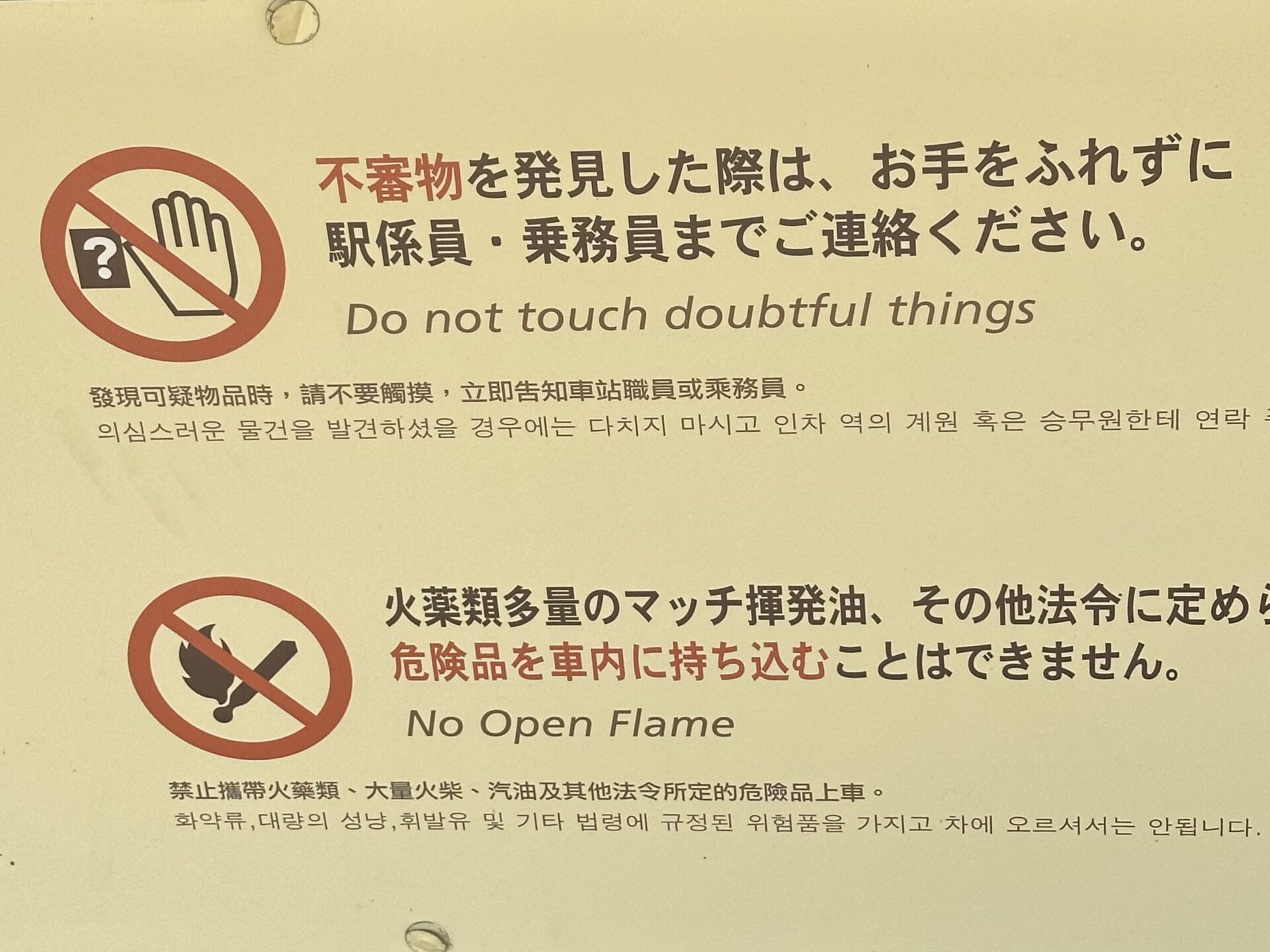
Follow any instruction or safety information. Kind of speaks for itself. But if a sign says ‘don’t do it,’ probably best you don’t. Also, even if the roads look empty, you still wait for the green man before crossing at pedestrian crossings.
Onsen, ryokan, and traditional accommodation
This needs its own dedicated guide (coming later on this site), but here’s the quick version for anyone who might encounter these on a first trip. (Also if you’re planning your first trip, and you haven’t already, check out my first time Japan guide here.)
Ryokan: Traditional inns. Shoes off at the entrance. Always. Wear the provided yukata (cotton robe) around the building in the evening, including to dinner if it’s served in-house. Don’t walk around the public areas in your normal clothes once you’ve been given a yukata, it’s considered a bit tone-deaf to the whole experience. Be on time for dinner; meals are carefully prepared for a specific hour.
Onsen and public baths: Wash thoroughly at the shower stations before getting in the bath. The bath is for soaking in, not cleaning yourself. Tie long hair up. The small modesty towel stays out of the water, either on your head or folded beside the bath. (Anywhere but in the water.) Try not to move around too much once inside. Don’t make a scene, cause a disturbance or splash about with your friends. Likewise, don’t make a thing about the nudity. It’s just how it is. Tattoos are still restricted at many traditional onsen, although this does seem to be very slowly changing.
If you’re heavily tattooed (like I am), it gets more complicated. I’d strongly urge you to read up specifically on tattoo-friendly onsen, private bath options, and cover-ups before you commit to a specific ryokan stay. If in any doubt, contact your chosen destination before you book.
What’s overhyped: things you’ll read online that barely matter
Some of the things you’ll see online regarding Japanese etiquette is simply outdated, or not something you’d naturally do anyway. Here is a quick list.
Rubbing chopsticks together. Some guides warn against this as insulting to the restaurant (suggesting the chopsticks are cheap). It was originally done to remove splinters from the wood. But nowadays it just doesn’t happen. Honestly don’t see why you would do so in the first place.
Bowing back to every bow. Shop staff will bow to you constantly. You don’t need to return every bow with equal depth. A small nod or inclination of the head is fine and expected from foreigners, although I do find myself bowing slightly a lot, including for about a week after I get home…
Perfect Japanese pronunciation. You do not need to be correct. A clearly accented ‘sumimasen‘ (excuse me) or ‘arigatou gozaimasu‘ (thank you) is universally welcomed. Trying badly is better than not trying, and will endear you to more people.
Elaborate sushi rituals. The ‘dip only the fish, not the rice’ rule is real, but is only really followed at upmarket places. It’s more about preserving flavour balance than etiquette. Most Japanese diners eat casual sushi casually. Reserve the careful rituals for high-end counters. This includes using your hands instead of chopsticks, so to prevent the delicate sushi from falling apart.
Being perfect at the purification basin. Visitors get the exact sequence wrong all the time. Nobody minds. The gesture of cleansing matters more than the choreography. Most popular shrines and temples even have English instructions printed nearby for you to follow.
What to do when you inevitably get something wrong
You will. Everyone does. Don’t overthink it.
Japanese people will almost never correct you directly. They’ll quietly adjust around you, or a member of staff might gently guide you with gestures. If you realise mid-mistake (say you’ve walked into a restaurant in your shoes and everyone’s staring at the shoe shelf,) just apologise, back up, take the shoes off, and move on. A small bow and ‘sumimasen‘ (sorry) covers almost every situation.
The recovery matters more than the mistake. Nobody remembers the foreigner who got the temple sequence slightly wrong. Everybody remembers the one who got it wrong, doubled down, and caused a scene.
Japan Etiquette: The underlying thing
Japan has become a much more tourist-heavy country in the last few years. Overtourism is a real, talked-about issue. Some of the backlash is directed at visitors who blatantly disregard the simple things. Keeping the noise down, not blocking the exit to the train. Normal, everyday stuff that would annoy you anywhere in the world.
The best thing you can do as a visitor is be conscious of your surroundings. Keep your voice down. Be aware of those around you. Not because you’re afraid of breaking rules, but because people go about their daily lives, and the least we can do is make sure we’re not being a nuisance to them. We’d only expect the same if they were visiting our country.
You’ll find that Japan gives back enormously when you travel it on that basis. The country opens up in ways it doesn’t for people who just show up and expect everything to adapt to them. Understanding the nuances of a culture’s etiquette is one thing, but it all stems from being a courteous and respectable individual.
That’s the etiquette that matters. The shoes and the chopsticks come after.
Did you find this guide helpful?
If so please consider signing up for my newsletter. I will let you know when new articles go live, and also provide you with a PDF of my ‘top 10 recommendations to go beyond Tokyo.’ Thanks.