
Japan is one of those trips that people say will change you, and for once the cliché holds up. Traditional Japanese culture mixing with Western influences makes for an experience quite unlike anything else. It can seem daunting, even overwhelming at first. But once you settle down, and begin to figure things out, you realise… it works.
That said, across eight visits over ten years and fifteen mountain summits, I’ve made most of the mistakes a first-timer can make in Japan.
This Complete First Time Japan Guide is a collection of bits and pieces I believe would have helped me on my first trip, or even my third or fourth. (The list below is by no means exhaustive, however I hope it can at least cover some, or most, of your immediate questions or concerns.)
This guide touches on topics such as money, trains, and etiquette, as well as recommendations on where to actually go, what to eat, and a suggested itinerary that you can play with to suit you. One quick word. Most people think ‘the Golden Route’ is the best way to experience Japan for the first time, and while I do understand the argument, Japan is so much more. Get into the mountains. Into the villages off the beaten path. Speak to locals outside of the city. Discover the magic of this incredible country.
Here are some quick links if you are looking for a specific section.
Still with me? Good. Let’s get to it.
Before you go: things to consider
When to visit
Japan has four properly distinct seasons and each one has its own case to make.
Spring (late March to early May) is cherry blossom season, which is as beautiful as advertised and as crowded as feared. Prices spike, hotels book out six months ahead in Kyoto, and the blossoms themselves last about a week in any given spot. If you’re going for sakura, accept that the main tourist areas are going to be heaving. Consider heading north as the front moves. Blossoms hit Tokyo in late March and don’t usually reach Hokkaido until late April to May. Or catch them early in Okinawa from late January to early February. Just please be aware that actual dates depend on a number of different factors, so while it’s easy to semi-predict the month. The actual days are more like guesswork unless you wait to book nearer the time. (And deal with the inflated airfare.)
Summer (June to August) is hot, humid, and comes with a rainy season (tsuyu) from mid-June to mid-July. A small flannel is essential when travelling, and don’t underestimate the importance of a light jacket or cardigan for when you transition from the baking sunshine to the blasting cold air conditioning. If you’re in Tokyo in July they have the Sumida River fireworks display which is spectacular, while August brings festivals (matsuri), more fireworks, and the kind of humidity that makes you grateful for vending machines on every corner. The summer months are also the only time Mt Fuji’s trail is officially open, and the mountain areas offer a nice respite from the soaring city temperatures.
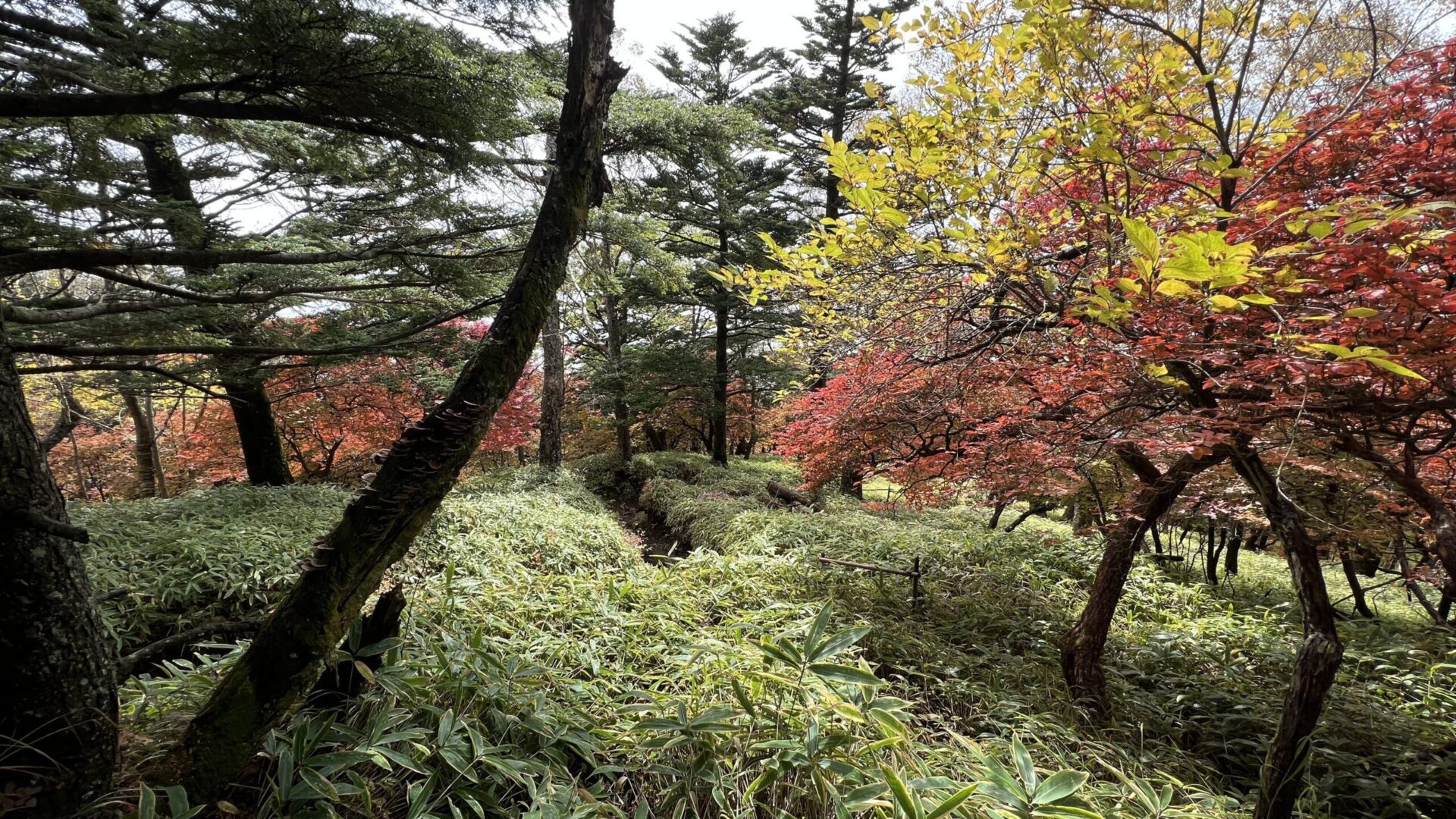
Autumn (late September to late November) is, quite honestly, the best season in my opinion. Milder weather, slightly lower crowds than the spring, and the autumn leaves (koyo) rival the blossoms for their beauty. Getting out into somewhere like Nikko or Kamikochi to see the variety of reds, oranges and greens dappled over the mountains is like staring into an oil painting. It is also an incredible time to hike some mountains. Please note Japan also has its typhoon season in September, so some travel disruption may occur.
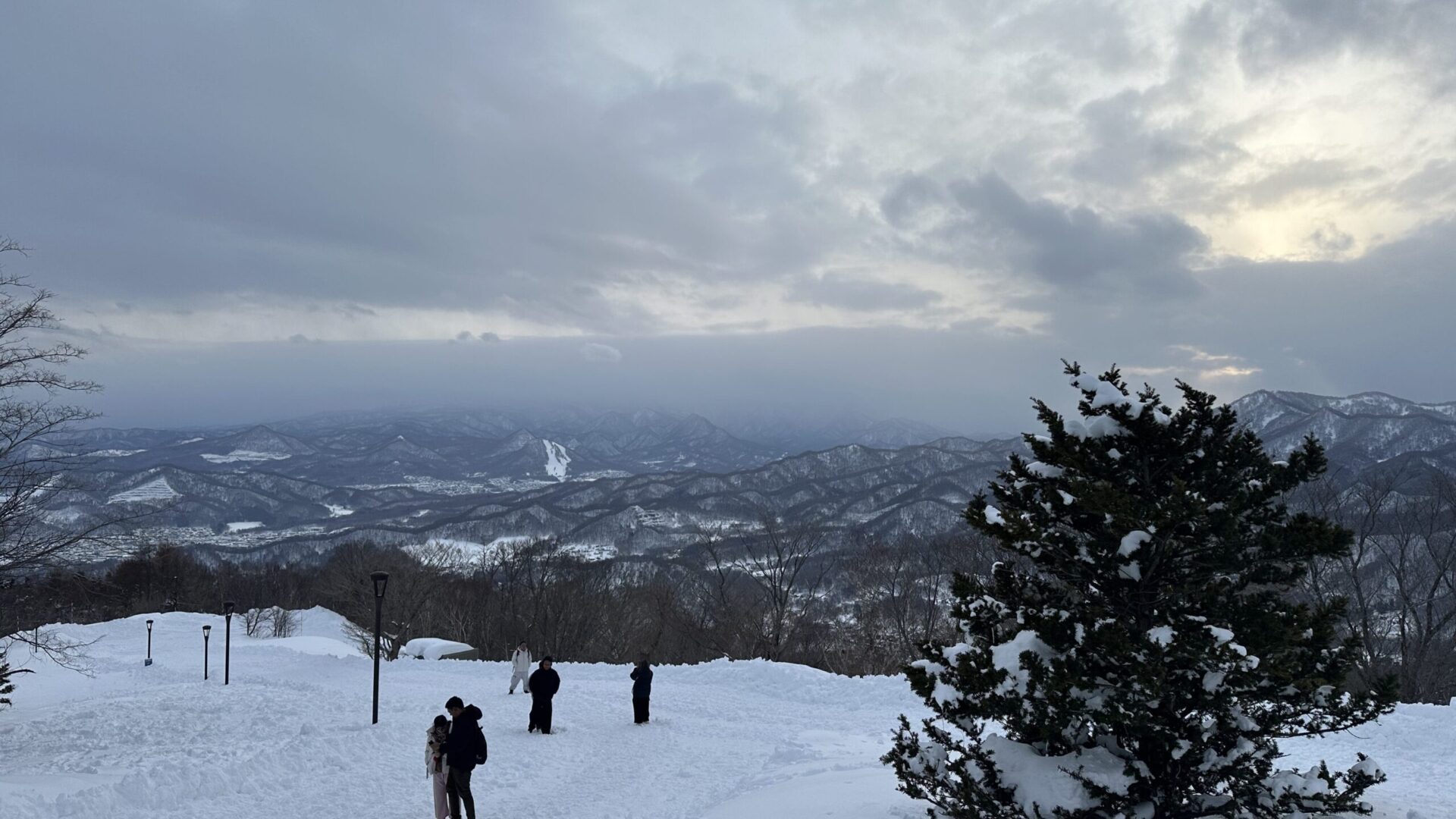
Winter (December to February) is underrated. Snow monkeys in Nagano, skiing in Hokkaido, and Onsen towns where you can bathe outside in steaming water with snow all around you. Ramen also hits way harder when your hands are shaking from the cold. Tokyo and Kyoto are cold but rarely unpleasant, and the further south you go the milder it will become. Flights and hotels tend to be the cheapest around this time. A dream of mine is to be in Japan for New Year. (Maybe next time….) Note that many mountain routes will be closed, and daylight will be a little shorter, worth considering if you plan to head out of the city.
Important note. Avoid Golden Week (late April to early May) and Obon (mid-August) unless you have no choice. The entire country travels domestically during these weeks and everything is full.
How long you need
This is subjective, but more is better. My first trip was ten days, my most recent was three weeks. Both went past in a flash and left me needing more.
Ten to fourteen days is probably the more realistic time someone will be able to commit to. Usually as a constraint of time off work or finance. Seven days is enough for Tokyo and one other region at a stretch, but you will leave wanting more. Anything under five days and you’re basically confining yourself to one location.
The biggest mistake I see first-timers make is trying to cram in too much into too short a time. You cannot do the Golden Route in a week. You shouldn’t. Yet most people still try. Japan has so much to offer that rushing from city to city and not taking time to really stop and take stock of where you are is a cardinal sin in my opinion. Slow down. Trust me. Three days in Kanazawa is better than one in Kyoto and one in Osaka.
Budget reality
Japan is not as expensive as its reputation suggests, in fact, it’s actively cheaper than London or New York for almost everything. The weak yen over the past few years has made it a genuine bargain, and with the exception of flights, can be done for significantly less than whatever budget you are thinking of now.
Here’s a rough run down of a daily budget per person, excluding flights:
- Shoestring (hostels, convenience store meals, local trains): £50–70 / $65–90
- Mid-range (business hotels, mix of cheap and sit-down meals, some shinkansen): £100–150 / $130–190
- Comfortable (nicer hotels, proper restaurants, full rail pass): £180–250 / $230–320
- Luxury (Ryokan and kaiseki.): This is going to be expensive, but maybe worth doing at least once.
The biggest expenses are accommodation and long-distance trains. Food can be staggeringly cheap, especially at chain restaurants or konbini food. Drinking out can get expensive quickly if you’re not careful. Alcohol from the supermarket is significantly cheaper. (I purchased a 1L bottle of cheap Black Nikka Clear whisky from Aeon for less than a pint of lager in an Asakusa bar.)
The money situation
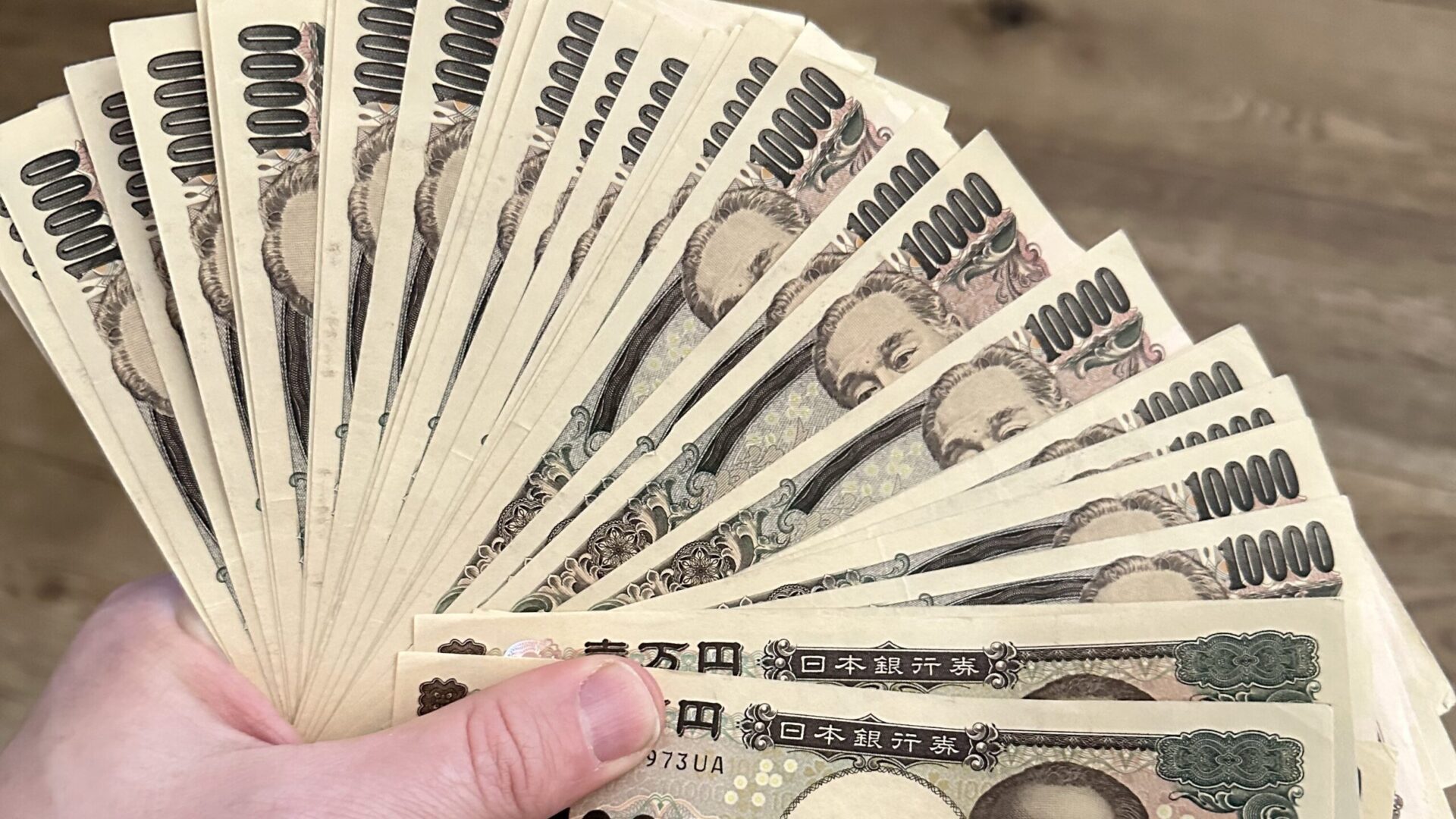
Japan is famously cash-based, though this is changing. Bring a decent amount of yen in cash (budget £200–300 upfront) and expect to use it for smaller restaurants, temple entries, some shops, and anywhere rural. Cards work in hotels, major restaurants, chain stores, and increasingly in convenience stores. While contactless payments via IC cards are accepted in most places, Android and Apple Pay are less available, but seem to be gradually more prevalent.
7-Eleven ATMs accept foreign cards reliably. Japan Post ATMs are the other safe bet. Regular bank ATMs often don’t work with overseas cards, so don’t panic if the first one rejects you. Keep an eye on any charges your bank issues for foreign withdrawals, or look into alternatives like Revolut.
Contactless payment via IC cards (Suica, Pasmo) is the best for transport and small purchases. Save time at stations by tapping in and out at the barriers, and avoid trying to navigate the ticket machines. You can now also add a Suica to Apple Wallet and top it up directly, which for me was an absolute game changer. Physical cards can be purchased for a small fee at most major train stations, while a tourist-specific ‘Welcome Suica’ can be obtained at the airport, if you want a souvenir when you are done.
SIM cards and staying connected
Wifi is abundant in Japan, and most major cities have their own hotspots you can connect to. That said, I’d still grab a data bundle for times when connectivity is poor. I guarantee the time you need Google Maps or a translation app is exactly when the hotspot won’t connect.
Here are your three options, in the order of my recommendation.
eSIM (Airalo, Ubigi, and similar) is the easiest if your phone supports it. Buy it before you fly, activate on landing, done. No queueing at the airport. Prices are reasonable — around £15–20 for two weeks of decent data. I’ve personally used Airalo for my last three trips.
Pocket WiFi is the old-school option. You rent a small device that gives you wifi wherever you go. Good if you’ve got multiple devices or people travelling together. You pick it up at the airport and post it back when you leave. Depending on what network you go with, signal is pretty decent and stable almost anywhere. The downside? You usually want to take a power bank, especially on longer days. The ones given by the Wifi companies tend to be large and heavy.
Physical SIM works but is the most faff. Fine if you’re there for a month or more.
Visas
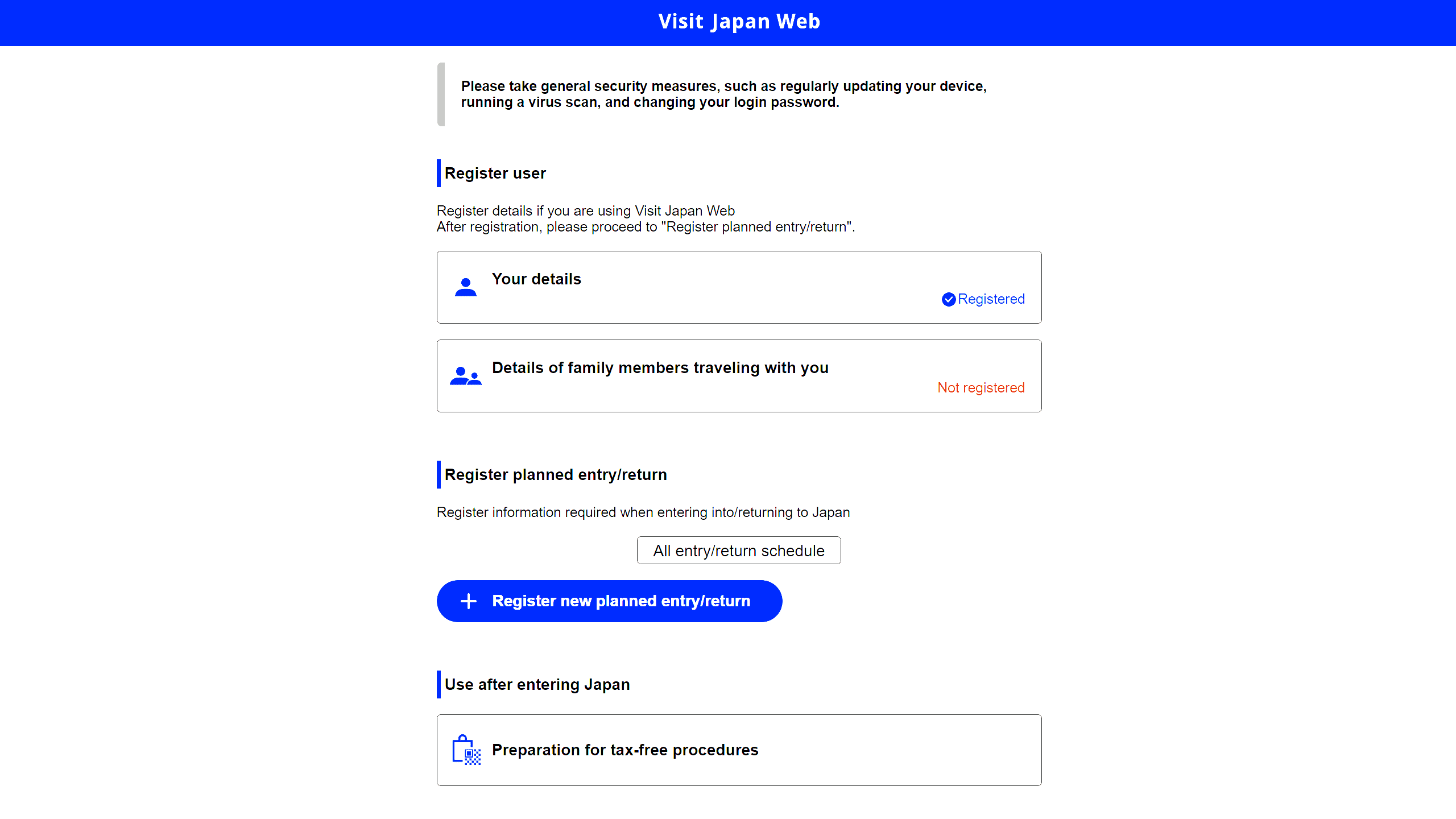
Most Western passport holders (UK, US, EU, Canada, Australia, New Zealand) get 90 days visa-free on arrival. Check your specific country, but for most readers of this site there’s no paperwork to do. You will need to fill in an online immigration form (Visit Japan Web) before you land. I usually do this a month or two before I fly, then screenshot the QR code. Just make sure you have battery on your phone when you land.
Getting around in Japan: trains, passes, and the shinkansen question
Japan’s rail network is the best in the world. It is also the thing that confuses first-timers most, because it’s not one network — it’s several companies running overlapping services, with different passes and rules for each.
The Japan Rail Pass: is it still worth it?
For years, the JR Pass was the default recommendation. In October 2023 the price went up by around a whopping 70%, and is scheduled to go up again if purchased via a third party in October 2026.
Now, the JR Pass is only worth it if you’re doing serious long-distance travel. If you are dead set on doing the Golden Route (Tokyo-Osaka-Kyoto-Hiroshima-Tokyo) it is in fact CHEAPER to pay for individual trains. At 50,000 yen for a seven-day pass, I genuinely don’t think you will be able to get your money’s worth. The 100,000 yen for twenty-one days MAY be better value. But at that point with domestic flights and coaches, it won’t be the best value. It’s a shame, but my honest thought is that the JR pass has had its day.
That said, some regional passes (JR East, JR West, Kansai Wide, Hokkaido) are often much better value and easily overlooked. If you’re focused on one region, check these first. I have a more detailed look at the JR Pass and some of the regional passes, inculding comparative price break downs, here.
Book individual tickets either at a ticket desk or on a machine. Reserved seats cost about 500 yen more than non-reserved and are worth it on busy routes.
Local trains and IC cards
Within cities, you live off the IC card. Tap in, tap out, the system works it out. A Suica or Pasmo covers all major cities. However note that travelling between cities isn’t as straightforward. (Shinkansen etc.) If you are travelling between cities by train, grab a physical ticket from the counter or ticket machine.
Tokyo’s subway looks intimidating on a map and turns out to be very simple in practice. I use the Japan Travel app, but Google Maps is also a solid choice to navigate most transit, including which car to board for the quickest exit at your destination.
The shinkansen
Bullet trains are iconic, and should be on everyone’s list to do at least once. Tokyo to Kyoto in 2 hours 15 minutes, reliable to the minute, and more frequent than the number nine bus at the bottom of my road. Get a bento box (ekiben) at the station and eat it with a can of beer while Mt Fuji slides past the window at least once. You can actually request a seat specifically on the side that gives you a view of the mountain, although I’d suggest doing it a day or two in advance.
A few practical notes. Don’t talk loudly on the phone (this is true on any transport in Japan.) It’s a quiet environment and people will notice. The reclining seats do recline, but check behind you. Large suitcases now need to be reserved in advance if they’re over a certain size (160cm combined dimensions). There’s a luggage area at the back of each carriage.
Buses, planes, and ferries
Highway buses are much cheaper than trains if you have time. Willer Express is the main operator. Night buses save you a hotel night and get you there by morning. If you’re ok sleeping on a coach, this will protect your spending money significantly.
Domestic flights are serious contenders for travel between major cities. From Tokyo you can fly to pretty much anywhere. Hiroshima, Kyushu, Sapporo. There are a number of budget airlines, and they often work out cheaper than the shinkansen.
Your First Time Japan Guide: Where to go
I want to take a moment to talk about the Golden Route. In case you didn’t know, that is considered to be Tokyo, Kyoto, Osaka, and often onto Hiroshima. It’s where people usually think of when asked where to go in Japan for the first time. It’s a popular route, and for good reason. They are connected really well via the Shinkansen, and each city feels different. Unique. I would absolutely urge you to visit at least a couple of them if you can.
But should you make them your entire trip?
My honest answer is… no.
If you’re short on time, getting out into the countryside for a few days will be vastly more rewarding than spending your entire trip in cities. I’m not going to tell you which cities to skip on your first trip, but trust me when I say there is more than just the Golden Route. So much more.
Tokyo: Hitting the highlights
Tokyo is huge. The city itself is made up of twenty-three wards, while the larger Tokyo prefecture stretches out even further. There are more things to do in Tokyo than you can cover in your first trip. Or even your third. Heck, on my last visit (#8) I discovered Rikugien Gardens by just wandering around a part of the city I’d never visited. So don’t try to do it all at once. You simply can’t.
That being said, here are a couple of recommendations for your first Tokyo experience.
Shibuya and Harajuku This is arguably the part most people think of when they think of Tokyo. The scramble crossing, Takeshita Street, the neighbourhoods in between. It’s going to be a lot to take in. When you’re done, a two-minute walk from Harajuku gets you to Meiji Jingu shrine, the largest in Tokyo and dedicated to Emperor Meiji and Empress Shoken. The comparison between the sensory overload of Shibuya and the calm tranquillity of the forest in its centre epitomises modern-day Japan. You also have the beautiful Yoyogi park to wander around nearby. You’ll probably want to dedicate a day to this.
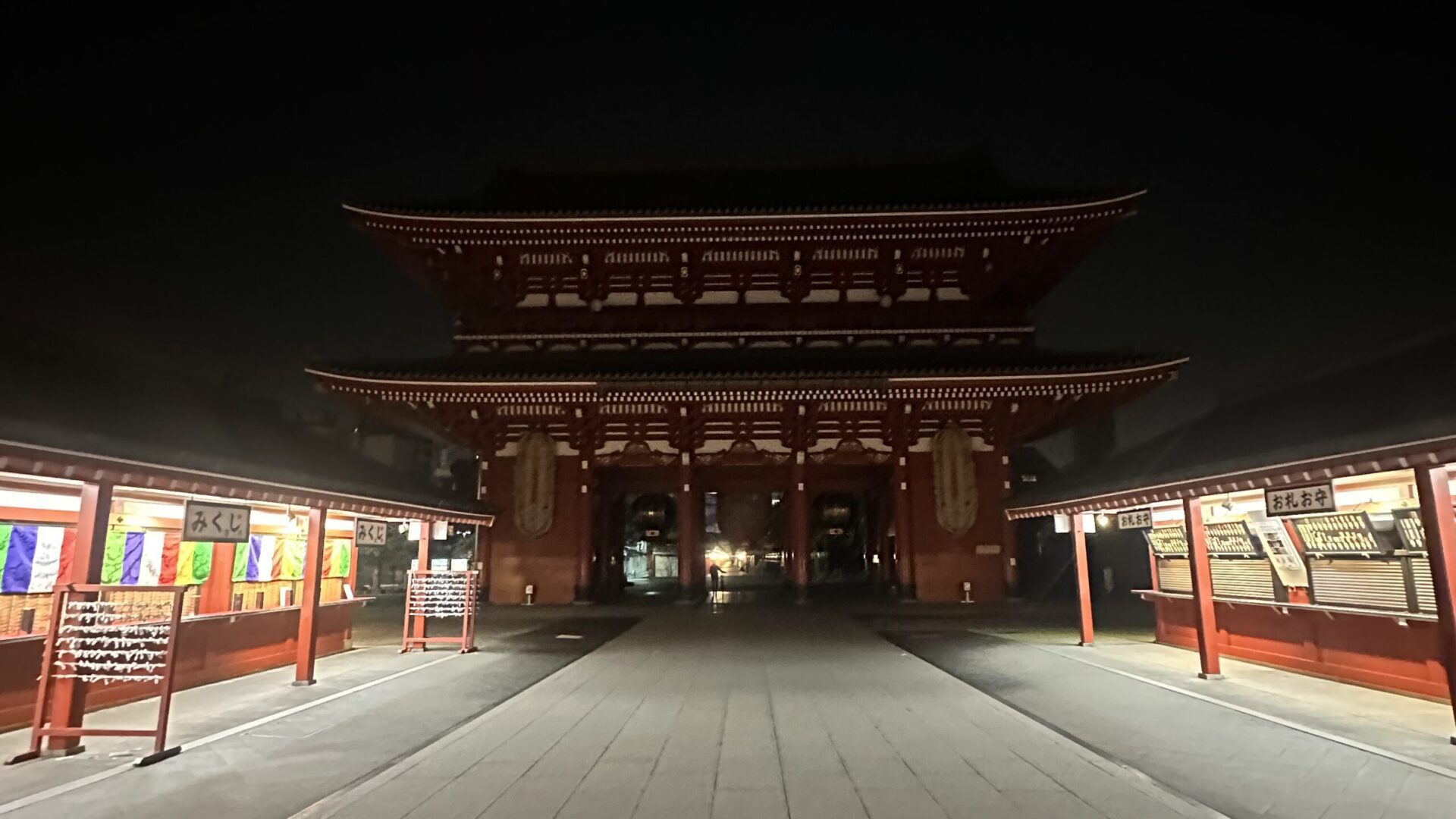
Asakusa Asakusa is my favourite location in the whole of Tokyo, and is where I always base myself when in the city. Be warned, Sensō-ji temple and Nakamise-dori, the street filled with souvenir shops leading to the temple itself, get intensely busy. Especially at the weekends. Most sites tell you to come early to avoid the crowds. Me? I wander through late at night, usually before and after a few beers. Sitting on a bench looking at the temple and the pagoda illuminated against the sky is pretty special. And it’s significantly quieter.
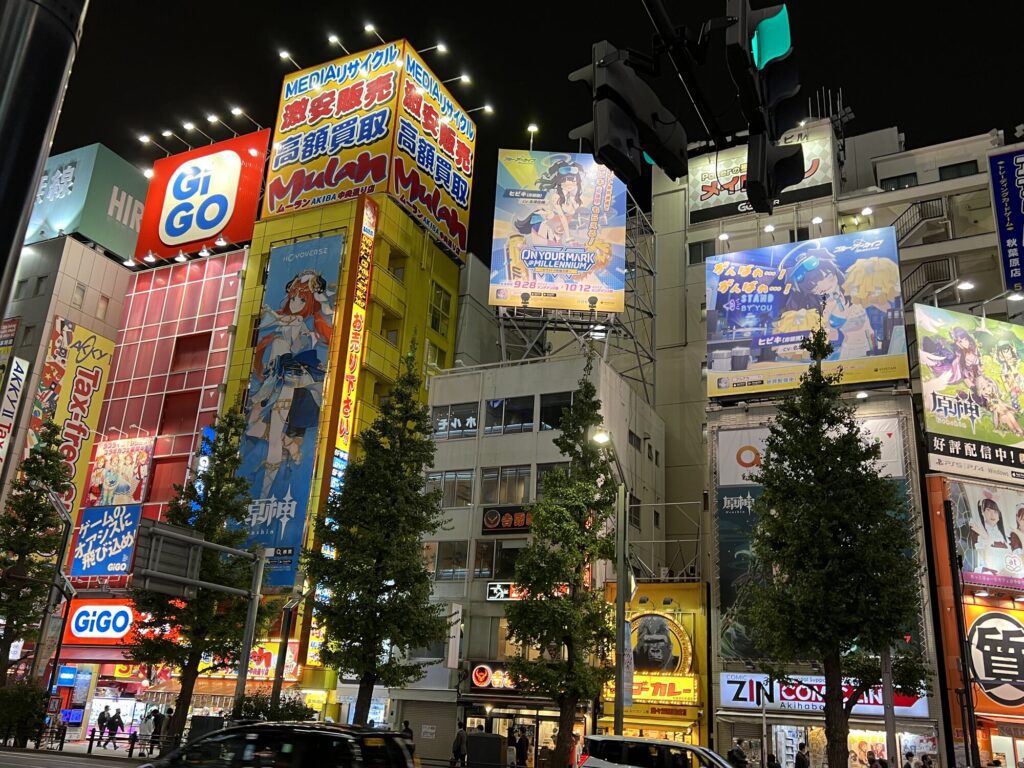
Akihabara A thirty-minute walk from Asakusa, (or four stops on the Ginza Line to Suehirochō Station) lies Akihabara, the anime and otaku capital of Japan. Maid Cafes, anime figures, Gunpla kits. It can all be found here. The city used to be famous for electronics before the anime boom, and you can still find some old and unique electronic devices if you trawl the side streets. Finally, Yodobashi Camera has its flagship store in Akihabara, and is considered one of the largest electronic stores in the world. I swear it’s larger than the town I live in. Depending on how much time you spend in the stores, this can be a whole day. If you have time, a short trip to Ueno on the Ginza Line will allow you to visit Ameyoko, a vibrant and bustling market street offering a variety of street food, restaurants, clothing and cosmetic stalls.
Shinjuku Dedicate an evening to this. Omoide Yokocho (piss alley, charmingly named) for a few beers and yakitori in tiny smoky bars. The Tokyo Metropolitan Government Building offers free city views from the 45th floor. Then, if you are committed to a night out, Golden Gai, while becoming increasingly ‘touristy,’ (along with the inflated prices that come with it) is still worth visiting at least once, and is an incredible way of meeting new people. The bars are so tiny, it is impossible not to talk to the people sitting next to you. Just keep an eye on the last train if you plan to head back that night, or buckle in and stay out until the first. Either way, don’t forget to check out the 3D cat billboard just outside of the East Exit plaza of Shinjuku Station before you do head home. Sounds silly but it is oddly charming.
That’s the ‘big’ areas done. If you have more time, check out beautiful Inokashira park in Kichijōji, taking a walk around the pond before visiting the Ghibli Museum which is located within. (Reservations in advance are essential.) You can also do some shopping in the nearby Sunroad shopping avenue. Tsukiji Fish Market is another location worth a visit. Despite no longer hosting the tuna auctions that made it famous, it is still a great opportunity to try some of the freshest seafood you have ever tasted. Finally, if you still need some inspiration, visit Odaiba, a man-made island famous for the DiverCity and AQUA CiTY shopping complexes and the giant Gundam statue.
Kyoto: What I know
Kyoto is a place I have only visited once so far, which for someone who loves Japan is probably unforgivable. That said, I will do my best to speak from my limited experience, as well as from what I see and hear from friends and online.
Again, the mistake is people trying to do everything they can in a short window. Don’t try to do all the temples in one day. Pick two or three, and plan your timing properly. Kiyomizu-dera is the iconic one that symbolises Kyoto. It’s honestly going to be pretty busy whenever you visit, but it really shouldn’t be missed.
In the same vein, Fushimi Inari shrine should not be missed. Walking through the estimated ten thousand torii gates is something else entirely. Almost everyone tells you to get there early, before 7am. While that is an option, more and more people are becoming aware of it. My suggestion, like Sensō-ji in Asakusa, is to go in the evening or at night. The trail takes on a different feel in the dark, and the view of Kyoto as you descend from the top of the hill is fantastic.
The Arashiyama bamboo grove is another location that gets packed quickly. (Are you sensing a theme?) I’d recommend this in the morning, as early as you can. If you can, try to pair it with Tenryu-ji temple and the hike up to the monkey park.
Gion is worth a wander but genuinely, please don’t hassle the geisha. There’s been enough of that and several streets are now closed to photography because of it. (It seriously saddens me to have to write that. I don’t understand how some people think it’s ok to stick a camera into a stranger’s face.)
For some lesser known parts of Kyoto, take a bus from Kyoto station for about an hour to Ohara, a quiet rural village with a number of beautiful temples. Be sure to visit Sanzen-in, Ohara’s main attraction, where you can sip tea and look out over a stunning moss garden and koi pond, and Raigo-in which borders two rivers and includes a short walk to Otonashi Falls.
For hiking, you can take a bus from Kyoto Station to Demachiyanagi Station, then Eizan Railway to Kurama Station. (Again the whole journey takes roughly an hour.) Here you can visit Kurama-dera temple, with excellent mountain views which are even more amazing if you can make it for the autumn colours. (The autumn colours in Japan’s mountains rival anything I’ve seen in ten years of visiting.) From there you can hike the 2-3 hour trail through the mountain forest towards Kibune, passing waterfalls, temples and maybe even some wild deer if you’re really lucky. (Unlike the tame deer in Nara or Miyajima, these ones are pretty skittish.) Upon reaching Kibune, grab some food in one of the cafes or restaurants. If you visit between May and September, look out for restaurants with kawadoko, open-air platforms built over the river itself. This in itself is a memorable experience many Japan tourists genuinely miss. Once fed, board the Eizan Railway from Kibune Station back to Demachiyanagi.
Osaka: On my list
Cards on the table. I have yet to visit Osaka. It’s one that I’ve always skipped. It is however on my itinerary for September, along with Nara, so I will update this section accordingly. I do however hear the food is one of its big draws.
Update planned: October 2026.
Hiroshima and Miyajima
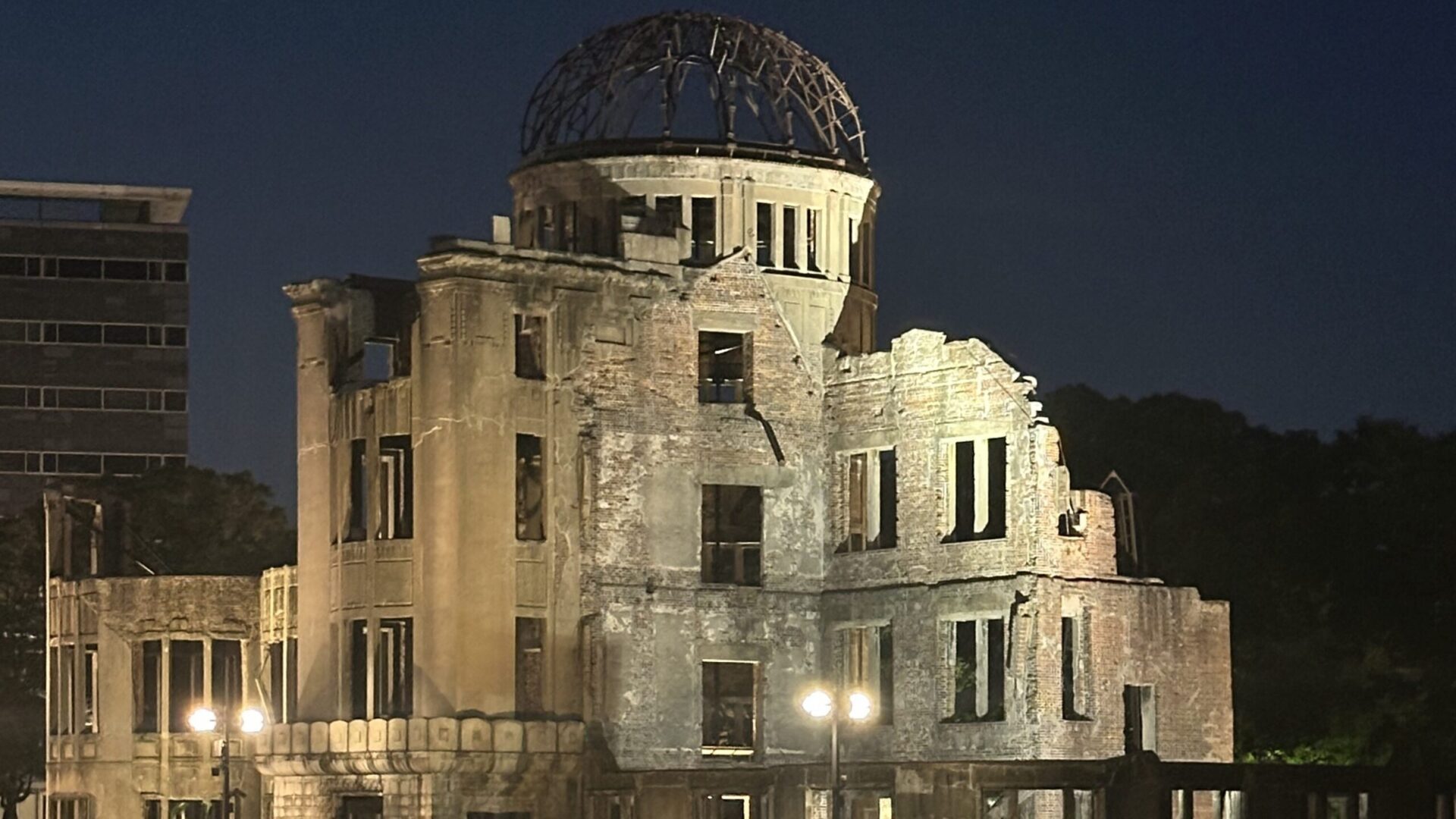
Hiroshima is in my top three cities in Japan, and deserves more than just the one day it gets on most people’s itineraries. I have been three times. The first time I made the mistake of thinking I could do the memorial museum then Miyajima in one day. (Like most first-timers) I really was not prepared for the impact the museum and gardens would have on me.
It broke me.
I made it to Miyajima, but wasn’t able to do the hike to the summit of Mt Misen that I’d planned. My head was not in the right place. So for the next trip, I spent five nights in Hiroshima. The nightlife is great, the people are friendly, and the Hiroshima-style okonomiyaki is my favourite variant. (Versus the more prevalent Osaka-style okonomiyaki and Tokyo’s monjayaki, which is its own thing entirely.)
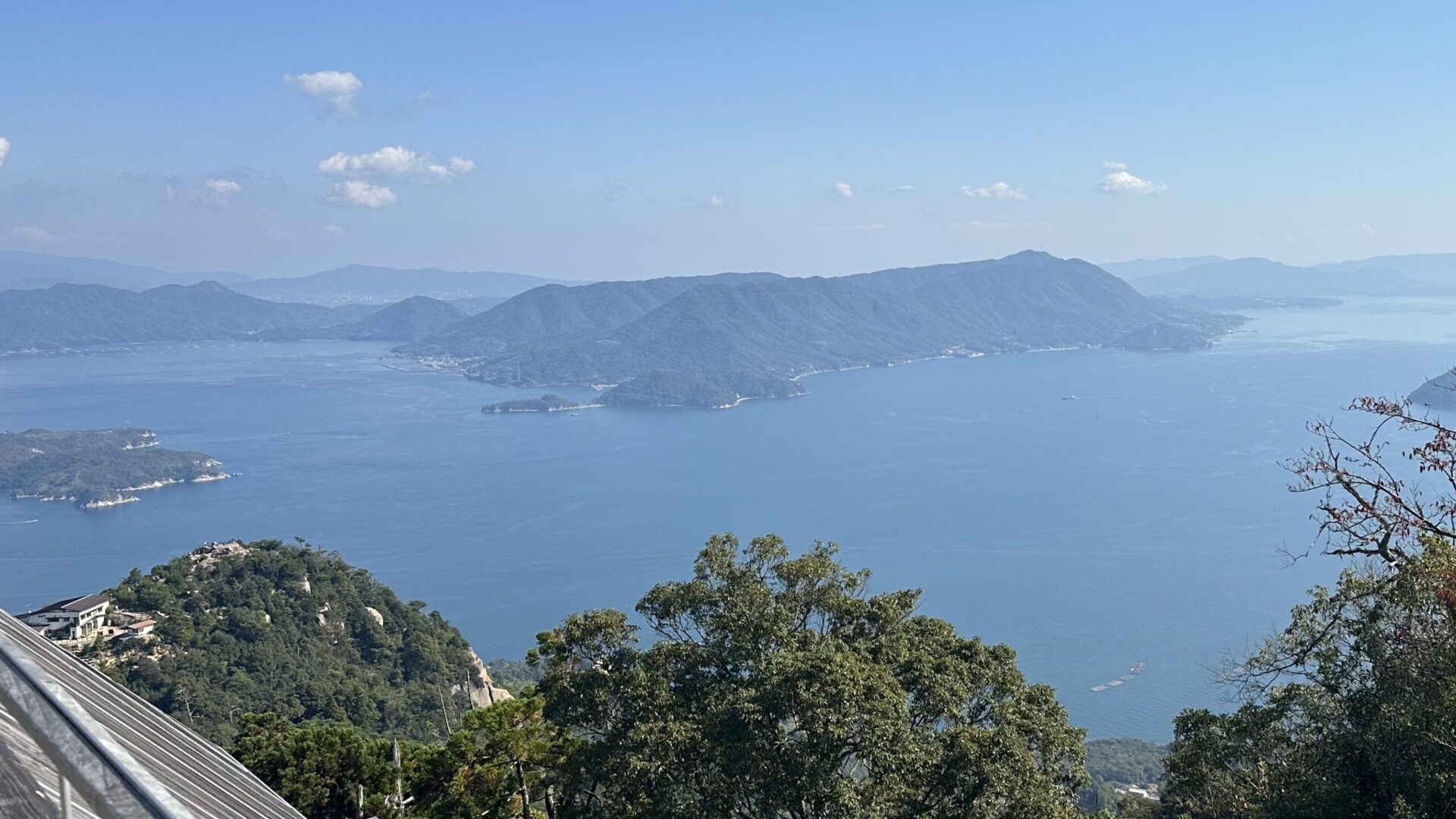
Miyajima island is stunning. A riverboat can be taken from the Peace Memorial Park, which I highly recommend. Then, on the island, take in the shrine and the floating torii gate. There is a lovely aquarium on the island, and the summit of Mount Misen (which you can access by cable car if hiking isn’t your thing) gives spectacular views of the Seto Inland Sea. There are a variety of shops and restaurants on the island, and you can stay overnight for stunning sunset views. There are also a large number of wild deer, which while adorable, are quite capable of stealing from any loose pockets. You have been warned.
Beyond the big four
Now the good bit. Here’s a quick spin through some of the regions most first-timers miss. I won’t go into too much detail right now, as each area requires a deeper dive in my Explore section, but should be enough to whet your appetite.
The Japanese Alps (Nagano, Takayama, Matsumoto) — Stunning mountains, traditional wooden villages, the best sake in Japan, and Jigokudani, where the snow monkeys bathe in hot springs in winter. Kamikochi in summer is incredible, and provides a welcome respite from the heat of the cities, while Takayama’s morning markets and preserved old town feel like stepping back in time.
The Kiso Valley — also situated across Nagano (and part of Gifu) but worth a separate mention because of the walkable section of the old Nakasendo trail. (The second of the two main roads between Kyoto and Edo.) The popular route is between Magome and Tsumago which consists of two to three hours of easy hiking between two beautifully preserved post towns. Other sections of the Nakasendo can be hiked, including Yabuhara to Narai, but much of it is lost to roads and cities.
Kanazawa — a former castle town on the Sea of Japan side, easily reached by shinkansen. Kenrokuen garden is ranked as one of the Three Great Gardens of Japan. The Higashi Chaya geisha district is smaller and more authentic-feeling than Kyoto’s Gion, while Omicho Market is one of the best places to eat seafood in the whole of Japan.
Tohoku (the north of Honshu) — Yamagata, Akita, Aomori. Deep countryside, traditional onsen towns and some of the best hikers’ mountains in the country. Aomori is often referred to as the world’s snowiest city. Tohoku requires a little more effort than the main tourist areas, and ideally some Japanese ability, (although not a dealbreaker by any stretch.) If you can go in the summer, the region is famous for its magnificent festivals, the biggest of these known as the Three Great Festivals of Tohoku. (Held in Aomori, Akita and Sendai respectively.)
Shikoku — the smallest of the four main islands, famous for the 88-temple pilgrimage route which spans 1,200km (750 miles.) Iya Valley is one of the more remote locations in Japan, although access has become easier in recent times. It offers spectacular scenery, and some some rather unique vine bridges. Matsuyama has Dogo Onsen, one of the oldest hot springs in the country and is widely cited as the inspiration for the bathhouse in Spirited Away. The Shimanami Kaido links Honshu and Shikoku over the Seto Inland Sea, and is a popular cycle route for people looking to spend a few days on the island.
Kyushu — the southern island, and a location I frequent more and more regularly. Active volcanoes. Beppu’s multicoloured hot springs. (Known as the ‘Hells of Beppu.’) Nagasaki’s rich yet complicated history, and Yakushima’s ancient cedar forests all offer something different and are just some of the many, many reasons you should visit. It’s also warmer than the rest of the country, and has it’s own food culture. I recommend basing yourself in Kumamoto. Found out why here.
Hokkaido — the northern island. Offering powder snow and popular skiing in winter, while cooler summer months offer an enticing proposition when compared to the rest of Japan. It is also abundant with wide-open landscapes offering plenty of hiking routes, although bear sightings have become increasingly common in recent years. Always keep an eye on bear activity updates and tell other people when and where you will be hiking. Sapporo is Hokkaido’s biggest city, and is famous for its ramen and beer, both if which hit differently in the winter months. Finally, if you are around in February, Sapporo’s Snow Festival is spectacular.
Okinawa — the southern islands. The largest of which is home to Naha, the island’s main city. Tropical temperatures, beautiful beaches and a distinct culture, along with fantastic cuisine, and fascinating history (it was an independent kingdom until the 19th century) make Okinawa feel unique. Island hopping, snorkelling, swimming with sea turtles, and even whale watching in the early part of the year are just some of the activities available to you. Mainland Japan can feel quite intense at times. (Especially for first-time visitors.) On the other hand, Okinawa can feel like the opposite. My honest advice, if you are planning a stop in Okinawa, give yourself at least four or five days to really make the most of the variety of activities.
Again, you are not doing all of these in one trip. But picking one or two as a supplement to whichever cities along the Golden Route you’ve chosen to see will provide a better picture of the ‘real’ Japan.
The food: how to eat well without speaking Japanese
Japanese food is, in my opinion, probably the best in the world. There is a huge variety of dishes for you to try, and when compared to the price of a meal in the UK, insanely cheap. I’ve eaten everything from high-end yakitori, to bargain basement gyudon sets. And while I can’t say I’ve never had a disappointing meal, they have been incredibly rare. (And usually in tourist-heavy locations.)
What you should eat
EVERYTHING!
Jokes aside, if you find yourself intrigued by anything, give it a try. However, the more common things you will come across are:
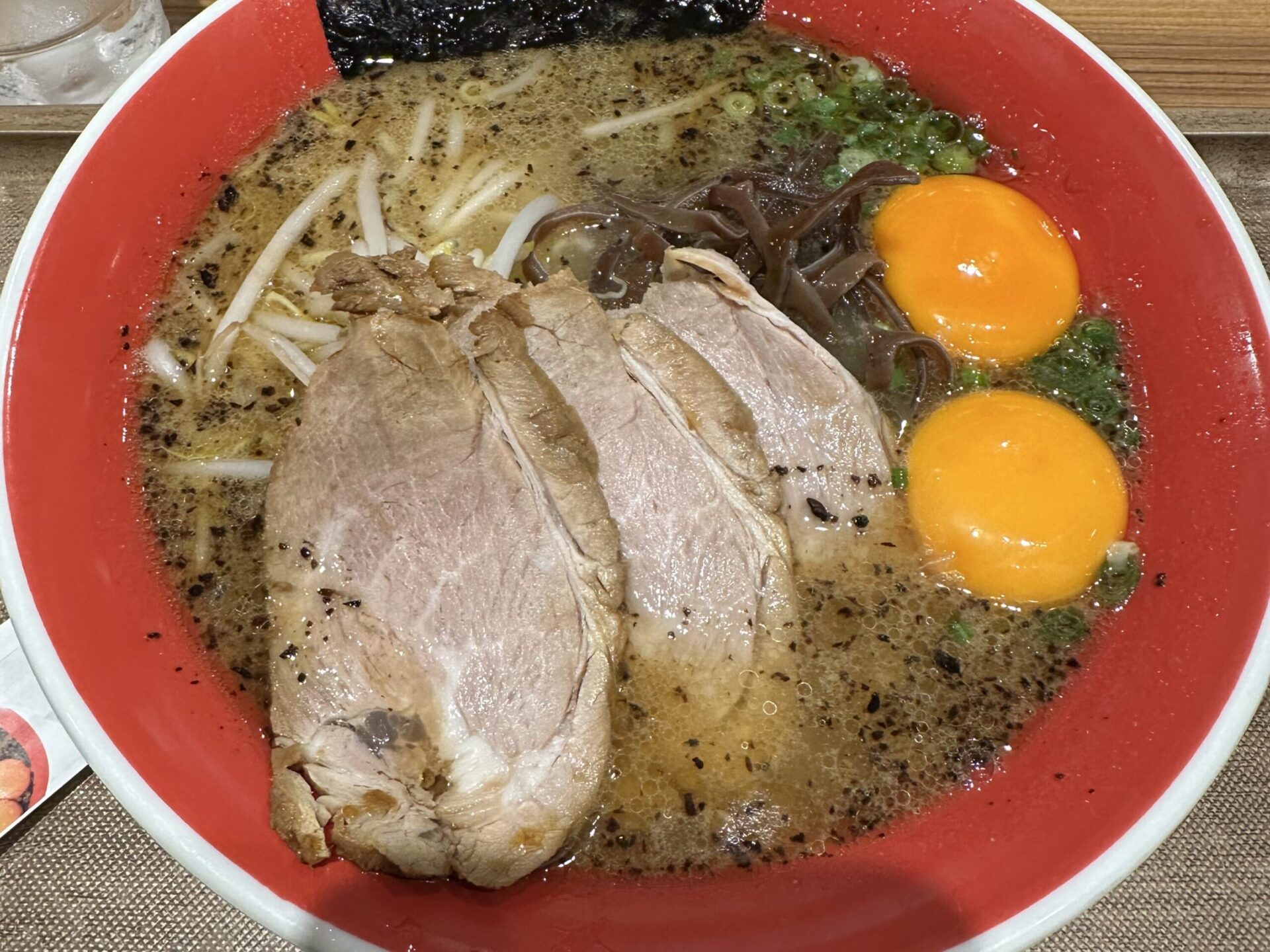
Ramen. It comes in a variety of regional styles. The most common are tonkotsu (pork bone) in Kyushu, shoyu (soy-based) in Tokyo, miso in Hokkaido. Tonkotsu is my favourite. I love the way fat sits at the top of the creamy soup. My mouth is watering at the thought. Any shop with a long line is a great shout. Japanese people queue for food if they know it’s worth it. Many places have a vending machine as you enter. Often there is an English translation. If not, use a translation app, or ask Osusume wa nan desu ka? (What do you recommend?) Hand the tickets from the machine to the chef behind the counter. And yes, slurping is recommended.
Sushi. Conveyor-belt sushi (kaiten) is a different experience to a proper sushi counter, and both are worth doing. A kaiten meal can be £10–15 with a beer, and even at the lower end of the budget, most will be significantly better than the shop-bought stuff in the west. A mid-range sushi counter meal is £40–80, and is worth it. Tokyo’s Tsukiji outer market (the inner market moved to Toyosu but Tsukiji is still thriving) is a popular place to sample a variety of food, especially in the morning.
Izakaya. A traditional Japanese bar. Small plates, beer, sake, highballs. Izakayas are the cornerstone of Japanese nightlife, and are literally everywhere. Don’t expect English menus, and there are a handful that only accept regulars, so you may get turned away. (Note this has never happened to me, but I believe it does happen.) If this does happen, smile, apologise, then move on, there are literally thousands of izakayas in Tokyo alone, and many owners are more than happy to try and communicate in limited English. Smile, be friendly, and ask for recommendations. (Remember, Osusume wa nan desu ka?)
Kaiseki. A traditional multi-course meal with anywhere between nine and fifteen courses. There is an emphasis on seasonality, from using ingredients at the peak of their freshness, to the type of garnish. (And even the plates.) They can be pretty expensive. And extraordinary. If you’re staying at a traditional ryokan, kaiseki dinner is usually included.
Other things to look out for include:
Tonkatsu. Breaded pork cutlet, perfect simple lunch usually served with rice, although can also be found as a sandwich filling.
Tempura. Worth looking for somewhere that specialises in it, rather than a place that has it as an extra.
Soba and udon. Noodle shops are everywhere, usually cheap, usually excellent. Many train stations have standing restaurants.
Yakitori. Grilled skewers. Most commonly chicken. They are usually eaten at izakaya or as street food, however high-end restaurants do exist. And are stunning.
Yakiniku. Cook your own barbecue. Usually associated with larger drinking parties, however there are smaller, more intimate options, and even places that cater for solo people. You order your meat, then cook it on a grill at the table. Good fun.
Gyoza. Comes as a side dish in many ramen places, but also has specialised stores. Some are huge. All are tasty. Decent lunch.
Takoyaki. Famous street food. Steaming hot fried balls of batter and diced octopus, usually served with mayonnaise and takoyaki sauce, and bonito flakes. Very tasty. But be warned, no matter how long you wait, the insides will still burn like molten lava.
And now for some of my personal guilty pleasures.
Gyudon. Thinly sliced beef over a bowl of rice, with a variety of toppings available. (A mound of grated cheese with a cheese sauce? Oh go on then.) Amazing after a heavy night of drinking, or breakfast. (Usually both at the same time.) About the price of a McDonald’s happy meal. Infinitely better. There are chain restaurants everywhere. Sukiya is my favourite. Yoshinoya and Matsuya are the other big choices.
Curry. Breaded cutlets of pork or chicken. (Or both.) An amazing Japanese curry sauce. A mountain of rice. Certain chains do challenge portions if you fancy attempting one. I enjoy a large serving along with sausages and boiled egg the night before a long hike. Go Go Curry is my go to. Just look for the yellow shopfront with a gorilla on the front. CoCo Ichibanya are the other big chain.
Okonomiyaki. A filling pancake dish consisting of cabbage, vegetables and meat, covered in mayonnaise and okonomiyaki sauce. Osaka-style mixes the ingredients together, while Hiroshima-style builds them in layers, and often adds noodles. Some places bring the ingredients to your table for you to cook, while in others the chef cooks it on a large open grill, which is honestly a great bit of theatre. Finally, Tokyo (specifically Tsukishima) has a similar dish, monjayaki, which consists of the same ingredients as okonomiyaki, but the batter is thinner. The dish is cooked by forming a ring of ingredients, then pouring the batter into the middle. Worth trying all three to decide which you prefer.
Finally, don’t sleep on the convenience stores. 7-Eleven, Lawson, and FamilyMart are a treasure trove of cheap, fulfilling food. Sandwiches, Onigiri and bentos can be purchased from the fridges, while a variety of hot and ready snacks, from bao buns to breaded chicken can be acquired for an instant snack. (Drunken quests to find the legendary Famichiki, FamilyMart’s brand of hot breaded chicken, after drinking with friends are an increasingly regular occurrence.)
How to eat when nobody speaks English
Most menus have pictures. Many have English. When neither helps, Google Translate’s camera function has come on leaps and bounds since my first trip. When all else fails, the plastic food displays in the windows are there for exactly this reason. Walk in, point at what you want. Simple, but effective.
Don’t forget, Osusume wa nan desu ka? Say it with me, oh-sue-sue-meh wah nahn dess kah? What do you recommend?
If you have allergies or dietary requirements, I strongly recommend getting a printed card in Japanese explaining clearly what you can’t eat. Many places will have declarations of allergens, many will not. Vegetarians and vegans should also be aware that dashi (fish stock) is used in a whole plethora of meals.
For more phrases to use on your trip, check out my article here.
Eating etiquette in thirty seconds
Don’t stick your chopsticks upright in your rice. Don’t pass food chopstick-to-chopstick. Do slurp noodles. Say itadakimasu before eating and gochisousama deshita if you really want. It’s not as prevalent as the internet would have you think, but it’s a nice gesture, particularly in smaller or family run places. Don’t tip. It’s not the custom and can actually cause confusion. Most places want you to pay at the till. Okaikei onegaishimasu is what will get the bill brought to the table.
When out drinking. If someone pours for you, pour for them. Don’t pour your own. Kanpai means cheers. Don’t start drinking until everyone has a drink and someone’s said it.
Etiquette: the main points
You are not going to offend anyone by not being perfect. Japanese people are generally forgiving of foreigners fumbling the rules. (Assuming you aren’t blatantly disregarding them.) That said, a few things matter more than others, which I will summarise here.
Shoes off. In homes, in temples, in ryokan, in some restaurants. If you are unsure, a rack of shoes along a wall is usually the giveaway.
Onsen etiquette. Wash thoroughly at the shower stations before getting in the bath. Tattoos are still banned at most traditional onsen. Some places offer cover-up patches, but as someone heavily tattooed myself, I worked out it would have taken twenty or more to cover what I have. My honest advice is if you are tattooed, check ahead to see if you will be welcome. Nudity is the norm. If this is going to be a problem for you I suggest skipping. Your awkwardness will be apparent.
Trains are quiet. No talking on the phone. If you are talking to someone, keep your voice down. Don’t eat. (Unless you’re on the shinkansen, where ekiben is part of the experience.) Trains also get packed. Wear your bag on your front so you don’t inadvertently hit someone. It looked weird to me at first, but I quickly understood.
Queueing is sacred. Japanese queues are orderly to a degree that genuinely impresses. Do not cut. There are painted lines on train platforms showing where to stand. This is one of my BIGGEST issues with a significant number of tourists. I get it if you don’t know the system, but honestly, it’s pretty damn obvious. Then there are the people who just don’t care. We have it in the UK and it annoys me. In Japan it makes me seethe.
Blowing your nose in public is rude. Sniff if you must. Find a bathroom if you can’t. Personally I hate sniffing, and will often tell people to go blow their nose. But in Japan I just have to hold my tongue. I’m in their country. I respect their culture.
Pointing is considered a bit rude. Gesture with an open hand instead.
Tipping doesn’t exist. Don’t leave money on the table. You might think you’re being generous, but in Japan, it’s just confusing. A simple arigatou gozaimasu will suffice.
Cash handling. When paying in cash, you’ll often see a small tray on the counter. Put your cash here.
Those are the main bits. For more nuanced information, my etiquette guide can be found here.
Accommodation: where to sleep
Options, roughly from cheapest up:
Hostels. Japan reportedly has some of the cleanest in the world. £20-35 a night for a dorm bed in a major city. Not something that I have personally done, but I have met many people who choose them. Also a great way to meet other travellers.
Capsule hotels. Again, not something I have done, but a friend did on his last trip. Originally marketed as somewhere to stay for a night in an emergency, or when missing the last train, some of the newer ones cater for longer term guests. £30-50 per night.
Business hotels (APA, Toyoko Inn, Dormy Inn, etc) are the backbone of mid-range travel and my regular go-to. The rooms are usually on the small side, but are clean, the service is good, and basic amenities like toothbrushes and pyjamas are usually included. Breakfast can be purchased as an extra if you wish. £50-90 a night.
Ryokan. Traditional inns with tatami floors, futons, kaiseki dinner and a private or shared onsen. Minimum £150 a night, often £300+ for the good ones. Worth doing for at least a night or two during your trip for the authentic experience. (Sleeping on a futon on a tatami floor is way more comfortable than you’d think.) Be careful of some places that have ryokan in the name but are essentially just a room with a tatami mat, usually in cities. For an authentic experience, find an onsen town near to where you are staying. (Hakone if you are in Tokyo.)
Airbnb. Available in Japan but the selection is more limited than in other countries due to stricter regulations. Fine in cities, sometimes excellent in the countryside. Also keep an eye on where the accommodation actually is. Tokyo is huge and one that was listed as Tokyo ended up being almost an hour train journey into the city. The place itself was lovely, just not central. (I also had to walk back from Tokyo during a typhoon, as all the trains were stopped… it was an experience.)
Temple stays (shukubo) — mostly in Koyasan, a sacred mountain in Wakayama. You sleep in a working monastery, eat vegetarian temple food, join morning prayers. One of the most memorable things you can do in Japan. That said, there are a number of etiquette practices you should consider, so make sure you understand exactly what you can and can’t do. (Alcohol is forbidden in many.)
Regardless of where you stay, always try to book accommodation well ahead for spring, autumn peak, and anywhere near a major festival. Kyoto in November is essentially full by summer, and March time in general is more expensive across most of Japan for sakura.
A sample two-week Japan itinerary
Just a rough recommendation, in case you feel you need one. It is not prescriptive, and even now I keep thinking about changing bits. I don’t think there is a ‘perfect first-time’ itinerary, but I think this strikes a nice balance.
- Days 1–3: Tokyo. Shibuya/Harajuku, Asakusa, Akihabara, Shinjuku.
- Day 4: Day trip. I’d recommend Nikko. Kamakura is another option.
- Day 5: Shinkansen to Nagoya, then train to Takayama. (Roughly 4 hours total.) Spend an afternoon exploring the old town.
- Day 6: Shirakawa-go (thatched villages) as a day trip, or hiking in the Northern Alps.
- Day 7: Bus or train to Kanazawa. Kenrokuen garden, Higashi Chaya, seafood.
- Day 8: Kanazawa to Kyoto. Evening in Gion.
- Day 9: Kyoto. Arashiyama at sunrise, Tenryu-ji, then Fushimi Inari shrine in late evening/night.
- Day 10: Kyoto. Day trip to Kurama, hike the temple route to Kibune.
- Day 11: Day trip to Nara to visit Todai-ji temple. Don’t forget to see the famous deer at Nara Park.
- Day 12: Shinkansen to Hiroshima. Peace Park and Memorial Museum. Try Hiroshima-style okonomiyaki. Treat yourself to a night out if you haven’t managed to.
- Day 13: Miyajima. Itsukushima Jinja. Hike or cable car up Mount Misen. Aquarium. Stay overnight.
- Day 14: Fly home from Hiroshima or return to Tokyo via shinkansen. (Around 4 hours, and provides an opportunity for one final ekiben on the train.)
This skips the full Golden Route (no Osaka) includes two regions most first-timers miss (Takayama and Kanazawa) and gives you enough time in most days to add some extra activities, or simply relax and take in your surroundings. If you have more than 14 days, I’d recommend heading to Kyushu from Hiroshima. It’s around an hour on the shinkansen and opens up some stunning places like the Aso caldera, Beppu hot springs, and Nagasaki.
A few final honest things
Japan is not a theme park. It is a working country where people live their lives. The more you visit it on that basis, the better it treats you.
Don’t try to see everything. You can’t. Instead of rushing through the country, accept that you will probably return, then take time to appreciate the things you do see this time around.
Learn five phrases. “Sumimasen” (excuse me / sorry), “arigatou gozaimasu” (thank you), “onegaishimasu” (please), “kore o kudasai” (this please), and a bow. This is more than enough to get through two weeks, and using them makes a noticeable difference. Don’t worry if you don’t say it perfectly. Japanese people often appreciate the effort more than the accuracy.
Leave time to be spontaneous. Whether it’s an hour or a day. I’ve said it already but some of my most memorable Japan moments have come on the days where I had nothing planned. Don’t be afraid to just wake up and explore.
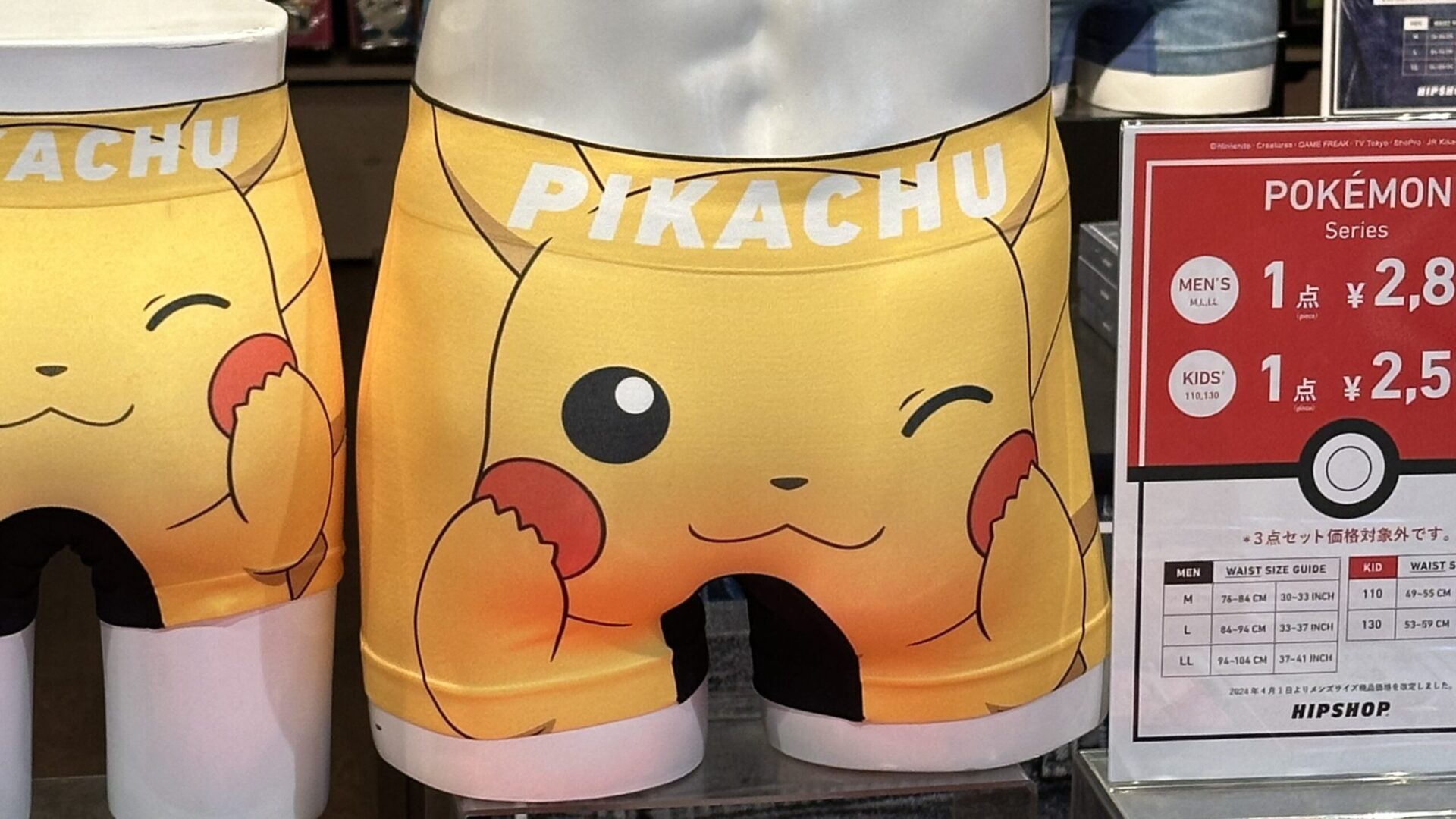
And treat yourself to a souvenir or two. Something that reminds you that you did something awesome!
Did you find this guide helpful?
If so please consider signing up for my newsletter. I will let you know when new articles go live, and also provide you with a PDF of my ‘top 10 recommendations to go beyond Tokyo.’ Thanks.